JetEngine v3.8.8 - Adding & Editing Dynamic Content
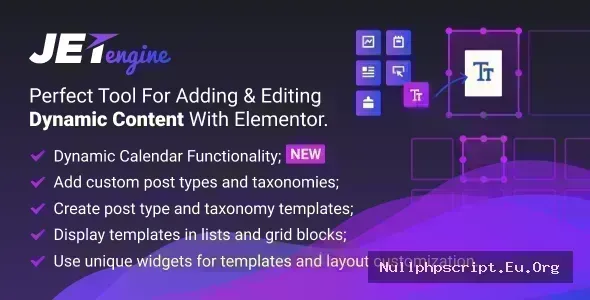
In the ever-evolving landscape of WordPress, dynamic content has emerged as a vital feature for developers and website owners alike. JetEngine, a powerful plugin by Crocoblock, has been at the forefront of this transformation, enabling users to create dynamic content with ease. With the recent release of JetEngine v3.8.8, new features and improvements have made it even more user-friendly. In this blog post, we’ll explore how to effectively add and edit dynamic content using this latest version of JetEngine.
Understanding Dynamic Content
Before diving into JetEngine v3.8.8, it's essential to understand what dynamic content is. Dynamic content refers to any content that changes based on user interaction or specific conditions. This includes personalized posts, user-generated content, and data that pulls from external sources. By utilizing dynamic content, website owners can create a more engaging and personalized experience for their visitors.
Key Features of JetEngine v3.8.8
The latest version of JetEngine comes packed with features that enhance the process of adding and editing dynamic content. Here are some key highlights:
- Custom Post Types: Create and manage custom post types effortlessly, allowing for a more tailored content structure.
- Dynamic Field Types: Utilize various field types such as text, images, and relationships for more complex data management.
- Improved UI/UX: A revamped user interface makes it easier to navigate and implement dynamic content features.
- Dynamic Listings: Generate dynamic listings that can display content based on user-defined criteria and filters.
How to Add Dynamic Content with JetEngine v3.8.8
Adding dynamic content in JetEngine is a straightforward process. Here’s a step-by-step guide:
- Install and Activate JetEngine: Ensure that you have JetEngine v3.8.8 installed and activated on your WordPress site.
- Create Custom Post Types: Navigate to the JetEngine menu and select “Post Types.” Click “Add New” to create custom post types that suit your needs.
- Add Dynamic Fields: Within your custom post type, you can add dynamic fields by selecting “Meta Fields.” Choose the field type you want and configure its settings.
- Display Dynamic Content: Use the Elementor or Gutenberg editor to display your dynamic fields on the front end. Insert dynamic widgets that pull data from your custom fields.
Editing Dynamic Content
Editing dynamic content is just as crucial as adding it. JetEngine makes this process seamless:
- Accessing Custom Post Types: Go to the WordPress dashboard, select “Posts,” and choose the custom post type you wish to edit.
- Updating Fields: Click on the post you want to edit, and you’ll find the dynamic fields you previously set up. Update the content as needed.
- Preview Changes: After editing, preview your changes to ensure everything displays correctly on the front end.
Conclusion
JetEngine v3.8.8 has significantly simplified the process of adding and editing dynamic content in WordPress. With its robust features and user-friendly interface, website owners can create engaging, personalized experiences for their visitors. Whether you’re a seasoned developer or a beginner, mastering dynamic content with JetEngine will undoubtedly enhance your website's functionality and user experience. Embrace the power of dynamic content today and take your WordPress site to new heights!